Wandle Road narrow access rubbish clearance tips for estates
Posted on 09/10/2026
If you live, manage, or work around a tight estate layout, you already know the problem: rubbish does not magically get easier to move just because the path is narrow. Wandle Road narrow access rubbish clearance tips for estates are really about making awkward collections simple, safe, and efficient without damaging walls, blocking neighbours, or turning one small job into a long, messy afternoon. The good news is that with the right planning, the right vehicle setup, and a sensible loading routine, narrow-access clearances can run smoothly. Not perfectly, perhaps. But smoothly enough that everyone breathes easier.
This guide walks through what narrow-access clearance means in practice, why it matters on estates, how to prepare, what mistakes to avoid, and how to choose the best method for bulky waste, mixed rubbish, or fly-tipped material. You will also find a checklist, a comparison table, and a realistic example from an estate-style setting, because theory is nice, but the pavement outside a block of flats is where the real decisions happen.

Why Wandle Road narrow access rubbish clearance tips for estates Matters
Narrow access sounds like a small detail until you are trying to move a mattress, broken wardrobes, builders' rubble, or mixed estate waste through a stairwell, side passage, or tight service road. On estates, the access route often matters more than the amount of waste itself. A clearances job can be quick if the collection point is easy to reach, but on a compact estate the same load can take twice as long if you have to navigate bollards, parked cars, sharp corners, or low-hanging branches.
That is why a good plan matters. It helps avoid scratched doorframes, blocked entrances, complaints from neighbours, and the classic "we thought there was enough space" moment. Truth be told, there often isn't. A van might be able to park nearby, but the last 15 metres can be the hard part.
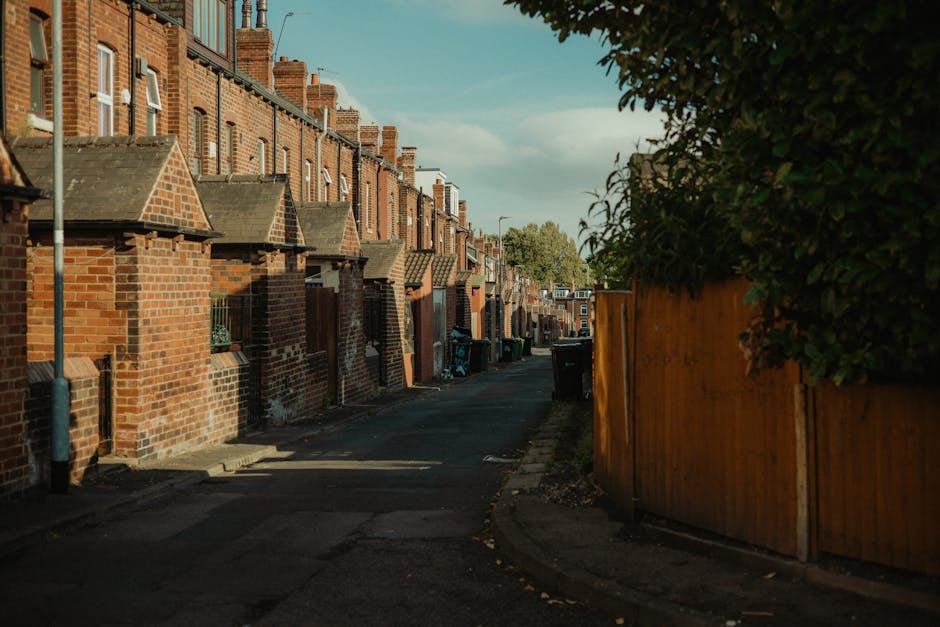
For estates around Wandle Road and nearby streets, the challenge is usually a mix of shared access, limited turning room, and practical working constraints. You are not just clearing waste. You are keeping the site usable while the job happens. That includes respecting residents, keeping routes open for emergency access, and making sure the clearance does not create a bigger problem than the rubbish did in the first place.
There is also a planning benefit. When you understand narrow access properly, you can choose the right vehicle size, the right crew number, and the right loading method before anyone arrives. That saves time and reduces the chance of a return visit. Nobody wants a second trip just because one sofa corner would not fit past the bike store. Well, nobody except the sofa.
How Wandle Road narrow access rubbish clearance tips for estates Works
At a practical level, narrow-access clearance is about matching the collection method to the site. On a wider driveway, waste can often be loaded quickly from the front of the property. On an estate, you may need to work from a rear service lane, a communal bin area, a side gate, or a short carry route from a block entrance to the vehicle.
The process normally follows a simple pattern:
- Assess the route. Measure gates, doors, alley widths, steps, kerbs, and any awkward bends. Even a small lip on the ground can slow down heavy items.
- Identify the waste type. Mixed household rubbish, old furniture, appliances, garden waste, and light builders' waste all behave differently when carried.
- Choose the loading method. Some jobs suit sack-by-sack loading; others need flat furniture dollies, sack trolleys, or a two-person carry.
- Plan the parking point. The best collection spot is usually the one that avoids blocking residents while keeping the carry distance reasonable.
- Protect the route. Door edges, walls, lift corners, and communal floors may need simple protection and careful handling.
- Load in the right order. Heavy and awkward items first, loose waste secured last, so the vehicle stays stable and the site clears faster.
In estate settings, this is rarely about brute force. It is more about choreography. One person guides, another lifts, another watches the route. Small detail, big difference.
Some clearances can be completed in a single visit if everything is prepared. Others need a staged approach, especially where access is shared or the waste is spread across different flats. The better the organisation, the less likely you are to have clutter sitting in the hallway while the crew hunts for a gap in the parking. That gap, as you may have guessed, has a habit of disappearing.
Key Benefits and Practical Advantages
When narrow access is handled well, the benefits go beyond simple convenience. You get fewer delays, less disruption, and a cleaner finish. That matters on estates, where the impact of one collection can be felt by many people.
- Less disturbance for residents: Careful route planning means less noise, fewer repeated trips, and less time with communal areas in use.
- Lower risk of damage: Using the right kit and route reduces the chance of marking walls, scuffing floors, or clipping railings.
- Better time control: A job that is planned properly tends to finish faster, even if it looks more complicated at the start.
- Improved safety: Narrow routes and heavy items are a poor mix unless lifting, carrying, and loading are managed sensibly.
- Cleaner presentation: A tidy clearance leaves a better impression for residents, visitors, and managing agents.
There is also a less obvious advantage: better coordination with neighbours and site managers. If waste is being removed from a block or shared estate, people notice when the work is orderly. They also notice when it is not. A polite warning, a sensible start time, and a clear route can smooth out half the friction before the first bag is lifted.
| Approach | Best for | Main strength | Main drawback |
|---|---|---|---|
| Manual carry with sacks | Loose household waste | Flexible in tight spaces | Slower on larger loads |
| Two-person furniture carry | Sofas, wardrobes, beds | Good control around corners | Needs clear route and coordination |
| Trolley or sack barrow | Heavy mixed rubbish | Reduces strain and trips | Not ideal for stairs or rough ground |
| Small vehicle collection | Estate roads and rear lanes | Better access to constrained sites | May require more unload cycles |
In short, a narrow-access plan is less about "Can we get the rubbish out?" and more about "How do we do it without chaos?" That is the real win.
Who This Is For and When It Makes Sense
This kind of clearance advice is useful for a few different groups. If you recognise yourself in any of the scenarios below, it probably makes sense to take narrow-access planning seriously rather than treating it as an afterthought.
- Estate managers and managing agents who need communal waste removed without disrupting residents.
- Landlords and letting agents dealing with end-of-tenancy rubbish, especially when access is limited through shared entrances or back yards.
- Homeowners on compact streets where the front access is narrow and waste must be carried through tight paths.
- Residents clearing flats who need to remove bulky items from upper floors or communal corridors.
- Builders and tradespeople working on small refurbishments where skips are impractical or impossible to place safely.
It also makes sense when the waste is not just a few bin bags. Once you start dealing with wardrobes, mattresses, broken shelving, appliance waste, or heavier renovation debris, the margin for error drops. One awkward turn, and suddenly a quick clearance feels like moving day for a very bad furniture shop.
Let's face it: if you are wondering whether the access is "probably fine," that usually means you should measure it. A tape measure beats optimism every time.
Step-by-Step Guidance
If you want the job to go right first time, follow a proper sequence. It does not need to be complicated. It just needs to be deliberate.
1. Walk the access route before moving anything
Start by looking at the whole route, not just the waste pile. Check gates, locks, shared doors, stairwells, corners, slopes, parked vehicles, and any trip hazards. If a turn looks tight to the eye, assume it is tight. The eye is optimistic; the wardrobe is not.
2. Separate items by size and weight
Loose bags, chairs, small appliances, and large furniture should be grouped sensibly. This helps the team decide what to remove first and what needs two people. A mixed pile with no order tends to waste time, especially if the heaviest item is trapped under everything else.
3. Measure the narrowest point
Do not measure only the widest gate or the front path. Measure the narrowest part of the entire route. On estates, the bottleneck is often a bend, a railing pinch point, or a doorway with an awkward hinge side. One centimetre can matter more than you would think.
4. Decide where the vehicle can safely wait
Try to choose a point that reduces carry distance without blocking access for residents, delivery drivers, or emergency services. On busier estates, even short parking choices can become sensitive. Good judgment here saves a lot of back-and-forth later.
5. Protect surfaces where needed
For communal hallways, lift corners, or freshly painted walls, simple protection can be worth its weight in gold. You do not always need elaborate gear. Sometimes careful handling and a few basic coverings are enough to avoid visible marks.
6. Load the vehicle in the right order
Put bulky, stable items in first, then layer smaller material around them. Keep sharp or messy waste contained. This reduces movement during transit and makes unloading more efficient. It also helps with safety, which is the bit people skip until something rattles loose on the way back.
7. Do a final sweep
Before leaving, check the route, the loading point, and any communal space used during the job. A quick sweep catches screws, broken plastic, small shards, or bag residue. That little final pass matters more than people think.
Expert Tips for Better Results
After enough clearance jobs, a few patterns become obvious. The smartest jobs are usually the ones that were boringly prepared. Not exciting, but effective.
- Use the shortest practical carry route, not the shortest theoretical one. A route that is 10 metres shorter but full of turns can be slower than a more open route.
- Work from the top down in flats or maisonettes. If waste comes from several levels, get the upper-floor items out first before communal spaces get crowded.
- Keep loose waste contained early. Bagging small rubbish before moving furniture saves constant stop-start work.
- Schedule around busy estate times. Mid-morning or early afternoon can sometimes be calmer than school-run or delivery-heavy periods.
- Communicate with residents before the job starts. Even a short note or message can reduce confusion and avoid someone leaving a buggy or bike exactly where you need to pass.
- Leave a buffer for the unexpected. A stuck lift, a locked gate, or a forgotten key can slow things down. Build in a bit of breathing room.
One small but useful habit: take a minute to think like the person carrying the item, not the person looking at the pile from across the courtyard. That change in perspective catches a surprising number of problems. Funny how that works.
If the estate has known pinch points, keep them in mind for future jobs too. Over time, you build up a local memory of which entrance is easiest, which gate sticks in wet weather, and which corner always feels tighter than it looks. That kind of practical knowledge is worth more than any fancy checklist.
Common Mistakes to Avoid
Most problems on narrow-access clearances are preventable. The trouble is, people often underestimate them because the waste looks manageable at first glance.
- Skipping the route check. This is the classic mistake. If you do not look ahead, you discover the obstacle when you are already carrying something heavy.
- Assuming a van can park anywhere nearby. Estate roads are rarely as simple as they look on a map.
- Trying to force oversized items through tight gaps. A sofa that does not fit does not become more cooperative with encouragement.
- Ignoring shared areas. Hallways, lifts, and entranceways need the same respect as the waste itself.
- Mixing everything into one pile. It sounds efficient, but it usually slows the job down.
- Forgetting to protect surfaces. One scuff on a communal wall can create a complaint that outlasts the entire clearance.
- Not clarifying who is responsible for access. If keys, gates, or parking permissions are unclear, the job can stall before it starts.
There is also a softer mistake: assuming the crew will "figure it out on the day" without any preparation. Sometimes they can. But why make the day harder than it needs to be? The clearer the brief, the smoother the result.
Tools, Resources and Recommendations
You do not need a warehouse full of kit to handle narrow-access rubbish clearance well. But the right tools do make a difference, especially on estate jobs where the route is tight and the load is awkward.
Useful items often include:
- Measuring tape for gates, corridors, steps, and turning space.
- Sack barrows or trolleys for moving heavy bags or boxed waste more safely.
- Protective gloves for handling mixed or sharp material.
- Dust sheets or surface protection for hallways and door edges.
- Strong refuse sacks to contain smaller waste cleanly.
- Torches or headlamps for dim rear lanes or bin stores, especially on early winter evenings.
For services, it helps to understand the difference between household rubbish removal, furniture removal, and builders' waste removal. A site with one old wardrobe and a few bags needs a different approach from a flat clearance with mixed bulky items. If you are unsure what type of service fits your situation, a broad services overview can help you compare the options before you book. You can also review the company's services overview to see how different clearance needs are usually grouped.
For larger items or mixed loads, it may be worth looking at specialist pages for furniture removal, domestic waste collection, or builders' waste removal. Those categories matter because access planning, lifting method, and load composition are not quite the same. A mattress is not rubble. A plasterboard offcut is not a bin bag. Common sense, yes, but easy to overlook in a rush.
Law, Compliance, Standards, or Best Practice
For estate clearances in the UK, compliance is usually about doing the basics well and not cutting corners. That includes using a legitimate waste carrier, handling waste responsibly, and taking care not to obstruct communal areas or create hazards. If a job involves commercial waste, mixed construction material, or waste removed on behalf of a landlord or managing agent, it becomes even more important to keep records and work with someone who understands proper disposal duties.
You should also think about insurance and site safety. Narrow access increases the chance of accidental knocks, slips, or dropped items, so proper cover and sensible working methods matter. If you are hiring a team, it is fair to ask how they manage safety on awkward sites and whether they have appropriate arrangements in place. That is not being fussy. That is being sensible.
A few best-practice points worth keeping in mind:
- Do not leave rubbish in escape routes, shared entrances, or fire access points.
- Keep communal areas clear and usable throughout the job wherever possible.
- Make sure the waste goes to an authorised disposal route, not just "taken away somewhere."
- Check that the company's terms and collection expectations are clear before work starts.
- Ask about waste carrier compliance and insurance if you are uncertain.
If you want to understand the company's approach to legitimate waste handling, a good place to start is the waste carrier licence and compliance page. For reassurance around site protection and operational care, the insurance and safety information is also useful. And if you are dealing with budget approval or comparing quotes, the pricing and quotes page can help you frame the decision clearly.
There is no need to overcomplicate this. Good compliance on a narrow-access estate job usually looks like calm planning, proper disposal, and no shortcuts. Simple on paper. Slightly harder in the rain. Still simple enough.
Options, Methods, or Comparison Table
Different estates call for different approaches. The best method depends on access width, waste type, volume, and how many people are available to help. Here is a straightforward comparison.
| Method | Best Use | Pros | Cons |
|---|---|---|---|
| Manual bag carry | Light, loose waste | Highly flexible in tight areas | Slower for larger clearances |
| Two-person furniture carry | Bulky household items | Safer for corners and stairs | Needs coordination and space |
| Trolley-assisted removal | Heavy mixed rubbish | Reduces strain and improves flow | Not suitable for every surface |
| Small-vehicle loading | Estate lanes and rear access | Works well where larger vans struggle | May mean more loading cycles |
| Staged collection | Multi-flat or multi-storey jobs | Organised and less chaotic | Needs planning and communication |
Which is best? Honestly, the one that fits the site without creating extra problems. A small, tidy job can be finished quickly with manual carrying. A larger one, or anything involving stairs and awkward bends, usually needs more thought. The wrong method can make a short route feel twice as long.
If you are working near communal bins, remember that a quick access route is only useful if it stays clear. On busier estates, a small delay can throw off the whole plan. That is why method selection matters just as much as vehicle choice.
Case Study or Real-World Example
Picture a typical estate-style job near Wandle Road: a top-floor flat with a bulky sofa, two broken bookcases, several refuse sacks, and an old microwave that has been sitting in the corner for months. The access route is narrow, with a shared stairwell, a side gate that opens only partway, and a parking area that fills up quickly after school drop-off.
At first glance, the waste does not look severe. A sofa, some wood, a few bags. Nothing dramatic. But the route changes everything. The crew checks the stairwell first, measures the gate, and identifies the tightest corner. They decide to carry the sofa in two pieces rather than forcing it through intact. The loose waste is bagged first so it does not trail through the hall. A vehicle is parked at the best compromise point: close enough to keep the carry manageable, but not so close that residents lose access to the driveway.
The job goes more smoothly because the awkward bits were dealt with before anyone lifted a thing. There is still a little shuffle with the sofa, and one neighbour has to wait ten seconds to come through the gate. That happens. But the overall clearance stays tidy, safe, and fast enough that nobody is left grumbling at the window.
That, really, is what good narrow-access work looks like. Not glamorous. Just controlled.
Practical Checklist
Use this checklist before the team arrives or before you start moving waste yourself.
- Measure the narrowest gate, door, and corridor on the route.
- Check whether any gates, locks, or keys need arranging in advance.
- Identify bulky items that may need two-person handling.
- Separate loose waste from furniture and heavier items.
- Confirm where the vehicle can park without blocking access.
- Protect communal surfaces if there is any risk of scuffing.
- Keep escape routes, entrances, and shared spaces clear.
- Make sure everyone involved knows the order of removal.
- Confirm the waste will go to a proper disposal route.
- Do a final sweep for debris, screws, and small fragments.
Expert summary: On narrow-access estate jobs, preparation is usually worth more than speed. A careful route check, sensible item sorting, and clear communication will prevent most delays and almost all avoidable damage.
Conclusion
Wandle Road narrow access rubbish clearance tips for estates are really about turning awkward access into a manageable process. If you plan the route, match the method to the waste, and keep the estate usable while the job is underway, the whole experience becomes calmer and more efficient. That is good for residents, good for managers, and good for the people doing the heavy lifting too.
Whether you are dealing with one bulky item or a full mixed clearance, the same principles hold true: measure first, move carefully, and do not assume the access will behave itself. It rarely does. But with the right approach, it does not need to be a headache either.
If you are comparing your options or preparing for a clearance on a tight estate site, it helps to review the type of waste, the access route, and the level of support you need before booking. A little preparation now can save a lot of stress later, and that is usually worth the effort.
Get a free quote today and see how much you can save.
And if the route looks awkward at first glance, do not panic. Most tight jobs just need a steadier plan, not a miracle.